Impacts of Wind Power on Indigenous Communities
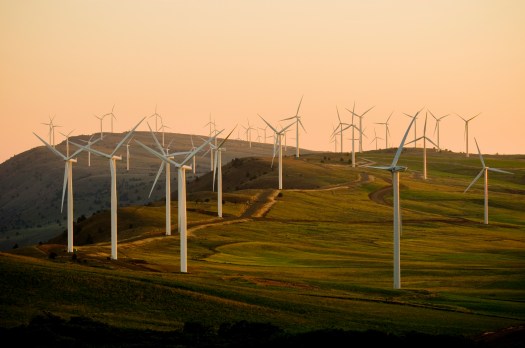
Transitioning to renewable energy is a critical strategy for the societal transformation needed to combat climate change. Wind energy is expanding rapidly in the global “green” transition, but decision making lacks a systemic understanding of unintended social-ecological effects of wind energy plants across scales and borders, including in places distant from where such decisions are initiated.
Wind energy disproportionately affects vulnerable populations including Indigenous Peoples and Local Communities, and resistance to dispossession of land, also called ‘green grabbing’, in the rapidly expanding wind energy sector are increasing globally.
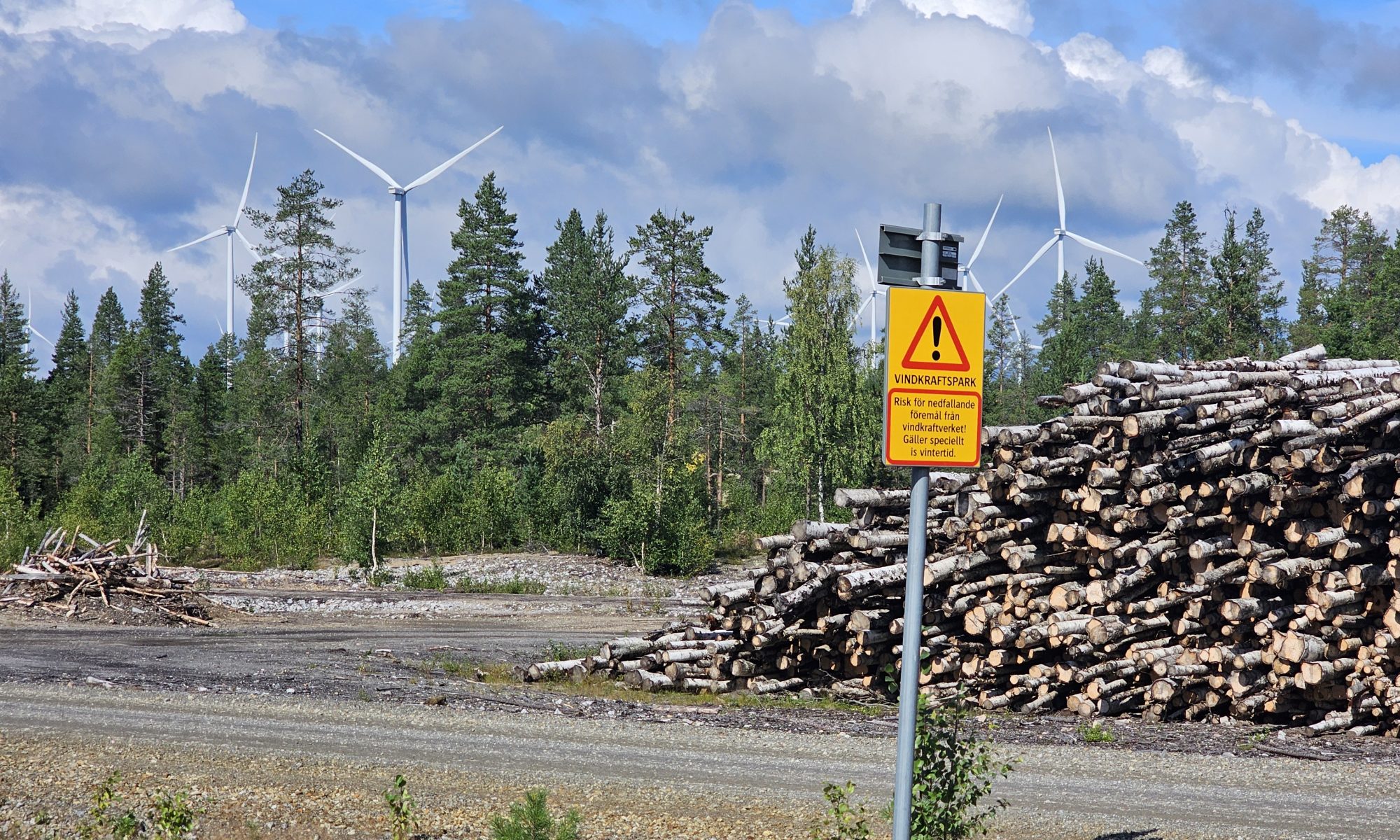
In the Powering change project we will examine these unintended consequences of the wind energy transition, focusing on two cases where the expansion of wind energy is contentious and complex: Northern Sweden and North-eastern Brazil. We combine insights from creative and novel methods to better understand the local and global effects of the green transition, with a focus on wind energy. By weaving Indigenous and western science knowledge we identify entry points for a just and inclusive energy transition calling for mutual and respectful dialogue across societies.
Case studies
We focus on two study areas in different parts of the world (Sweden and Brazil), where human rights and environmental justice issues related to wind energy development are highly relevant.
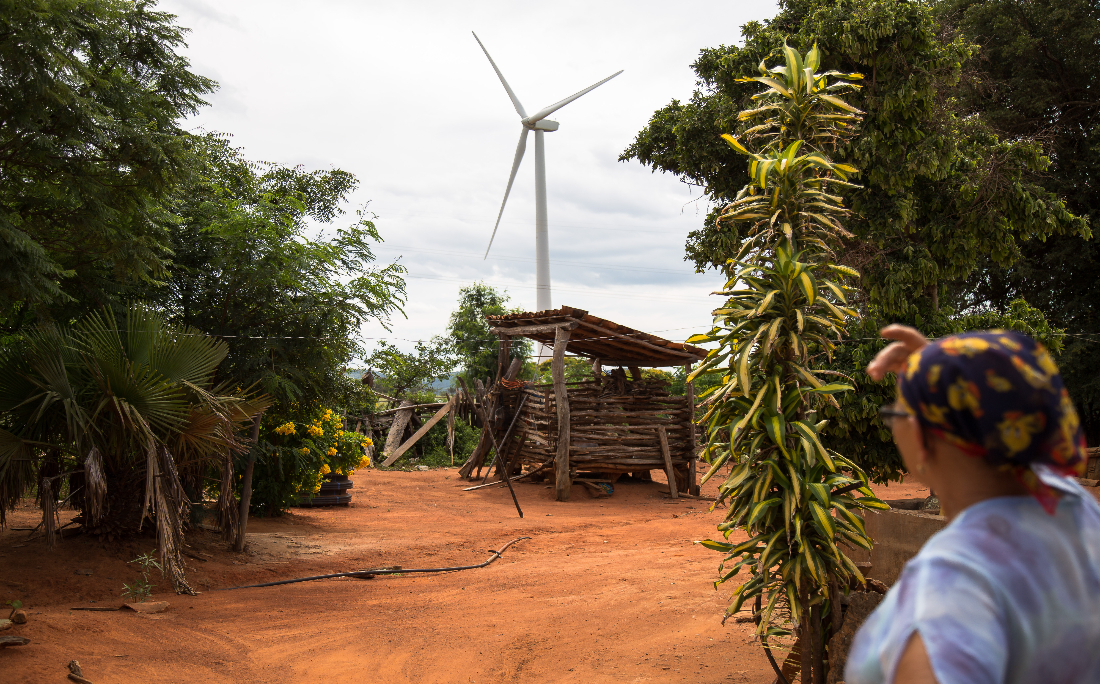
The Swedish government has been criticized by the UN for violating the human rights of the Sami population by not including them in decision making processes or guaranteeing them representation in political decision making, including decisions related to projects that drastically alter the landscape on, or in close proximity to, Sami land, such as mines and wind power and the infrastructure required for these projects. Lack of inclusion and representation of Indigenous peoples is a continuation of colonial structures, violating the right to self-determination of the Sami population. In northeastern Brazil, particularly in the state of Bahia, wind energy projects have increased exceptionally since 2010. Here too, land conflicts have arisen, mainly because many of the state’s traditional communities lack land rights, leaving them at a disadvantage to energy companies supported by strong legal frameworks that protect their interests.

Work Package 1: Distal Impacts
In the first part of the project, we investigate how decisions about wind energy expansion in Sweden and Brazil affect communities and the environment on different scales. We do this by applying a telecouplings lens to understand the links between distal places – how one decision made in one place can brings impacts on regions far away from where the decision was made.
Work Package 2: Policies
In the second part, we use text analysis to explore how policy and planning documents in each country are designed regarding indigenous peoples’ right to territoriality and land, as well as inclusion and participation in decision-making processes with a specific focus on wind power projects. We will also conduct interviews to understand how inclusion in decision-making processes works in practice.
Work Package 3: Indigenous Perspectives
In the third part, we focus on the perspectives of indigenous people in each study area to understand how wind power expansion affects relationships to land, and future visions that indigenous and local communities have for an inclusive and sustainable energy transition.
Weaving it all together
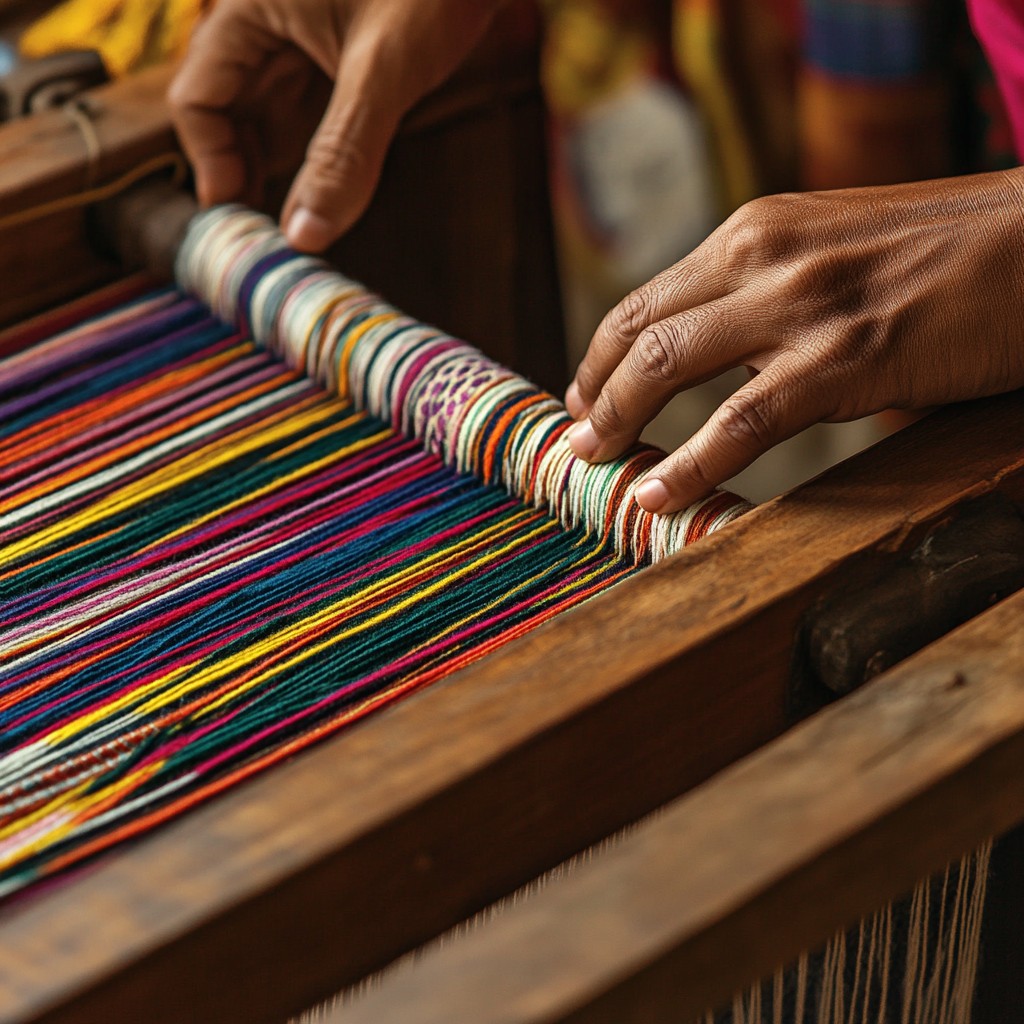
In the fourth part of the project, we bring together these knowledges from the first three parts. Acknowledging Indigenous peoples’ relationship with nature is an important part of working to ensure that the transition to renewable energy is transformative. We aim to bring together Indigenous knowledge systems, local knowledge, western science knowledge, and knowledge(s) shared through artistic perspectives. We will gather actors from different knowledge traditions as well as decision makers in workshops to discuss and identify innovative ways forward, making use of methods that highlight respect for the value of different knowledge systems. The results of the project will be communicated to participants and surrounding communities, to decision makers in each country and to a wider public. By weaving insights from different knowledge bases and worldviews, the project contributes with an expanded understanding of how local and globally spread effects of the energy transition can have unintended consequences for local communities and ecosystems and how these can be avoided in the future through promoting dialogue.
 Powering Change With Justice